
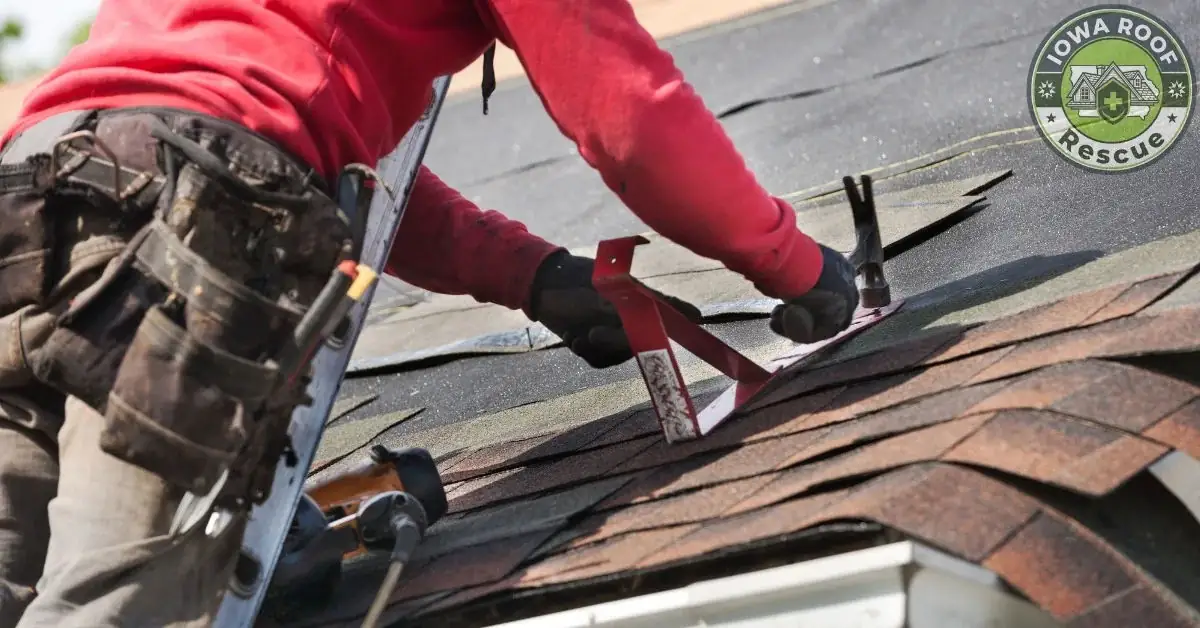
Soffit and fascia are critical components of your roof system that protect your home from the elements. Understanding soffit and fascia repair in Dubuque is essential for maintaining the integrity of your roof and preventing further damage. This article will cover what soffit and fascia are, their importance, signs of damage, repair methods, and when to seek professional help.
What are soffit and fascia?
Soffit refers to the underside of the roof overhang, while fascia is the vertical board that runs along the edge of the roof. Together, they provide ventilation, protect your home from moisture, and enhance its aesthetic appeal. In Dubuque, where weather conditions can be harsh, these elements are particularly vulnerable to damage from rain, snow, and ice.
Importance of soffit and fascia repair
Repairing soffit and fascia is crucial for several reasons:
- Protection against moisture: Damaged soffit and fascia can allow water to enter your home, leading to mold and structural issues.
- Energy efficiency: Properly functioning soffit helps regulate attic ventilation, which can improve your home's energy efficiency.
- Aesthetic value: Well-maintained soffit and fascia enhance your home's curb appeal, which is important in neighborhoods like Dubuque.
For homeowners seeking roof repair in Dubuque, addressing soffit and fascia issues is often a part of the overall maintenance strategy.
Signs your soffit and fascia need repair
Several indicators may suggest it's time to repair your soffit and fascia:
- Visible damage: Cracks, holes, or peeling paint can signal deterioration.
- Moisture issues: Signs of water damage or mold growth in your attic or on walls can indicate a problem.
- Pest infestations: If you notice rodents or insects in your attic, it may be due to gaps in your soffit or fascia.
How to repair soffit and fascia in Dubuque
Repairing soffit and fascia can be a DIY project or may require professional help. Here's a general overview of the process:
- Assess the damage: Determine whether the damage is minor or if a full replacement is necessary.
- Gather materials: Depending on the repair, you may need wood, vinyl, or aluminum materials, along with paint and sealants.
- Remove the damaged sections: Carefully take out the damaged soffit and fascia, ensuring not to harm surrounding areas.
- Install the new materials: Cut and fit the new soffit and fascia into place, securing them properly.
- Finish the job: Paint or seal the new materials to protect them from the elements.
If you prefer to leave it to the experts, consider contacting Iowa soffit repair services for efficient solutions.
Common mistakes in soffit and fascia repair
When tackling soffit and fascia repair, homeowners often make a few common mistakes:
- Ignoring ventilation: Proper ventilation is essential for preventing moisture buildup.
- Using incorrect materials: Ensure the materials you choose are suitable for the local climate.
- Neglecting to seal joints: Proper sealing prevents water infiltration and extends the life of your repairs.
When to call a professional
If you encounter extensive damage or feel unsure about your repair skills, it's best to call a professional. Soffit and fascia emergency repair in Iowa can save you time and ensure the job is done correctly.
Frequently Asked Questions
What is soffit and fascia repair in Dubuque?
It involves fixing or replacing the soffit and fascia components of your roof to prevent moisture damage, improve ventilation, and enhance your home's appearance.
Why is it important to repair soffit and fascia in Iowa?
In Iowa, harsh weather conditions can exacerbate damage, making timely repairs essential to protect your home from further issues.
How can I find soffit and fascia repair services in Dubuque?
You can search online for local contractors or ask for recommendations from friends or neighbors who have had similar work done.
What materials are best for soffit and fascia repair?
Common materials include vinyl, aluminum, and wood. Each has its advantages, so consider your local climate when choosing.
How often should I inspect my soffit and fascia?
It's advisable to inspect these areas at least once a year, especially after severe weather events, to catch any potential issues early.